Advocating for Immigrants in the Wasatch Back
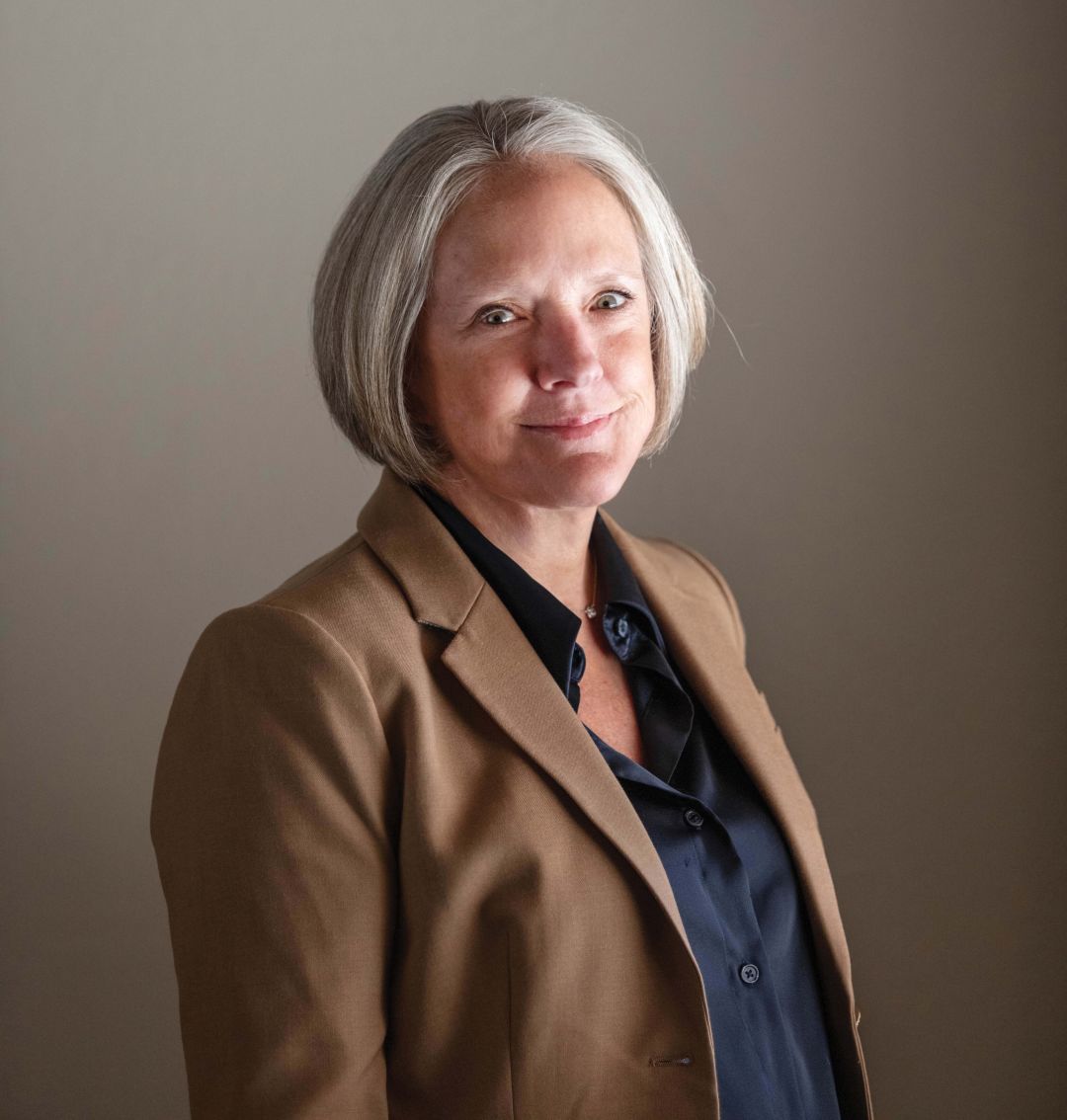
Image: PETER CHUDLEIGH
To say Maggie AbuHaidar was inspired by her dad’s public service career doesn’t give his influence justice. “Public service was bred into me,” she says. “And so, when I decided to go to law school, I did so with the intent of making a difference.” Since then, AbuHaidar has served as a guardian ad litem or court-appointed lawyer for children in abusive situations, worked as a civil assistant US Attorney in Salt Lake City, and was a Kimball Art Center board member for a decade. And then in 2023, along with three colleagues, AbuHaidar co-founded the Wasatch Immigration Project (WIP), a pro bono law firm serving the Wasatch Back’s immigrant community. WIP has since risen as a steadfast immigrant advocate, empowering its clients with essential knowledge and steering them through a federal immigration system that’s constantly in flux.
PCM: What first inspired you to get involved in immigration law?
MA: The first Trump presidency was an assault on so many of the interests I care about, like women’s rights, the environment, and civil rights. Around that same time, a friend was referred to ICE [Immigration and Customs Enforcement] for deportation. That incident made me realize that many great attorneys were already working on women’s rights and the environment, but not nearly enough in immigration law, particularly on a low-bono or pro bono basis. In fact, in Utah, for every one volunteer immigration attorney, there are more than 8,000 people in need of those services.
Why was founding the Wasatch Immigration Project so important for the Wasatch Back?
MA: When WIP co-founders John Sharkey, Karin Fojtik, Laura Rojas, and I began researching existing legal immigration services in Utah, we found no pro bono immigration legal aid available in the Wasatch Back. Considering 10 percent of Summit County is Latine and that other nonprofits, like the International Rescue Committee, have had to let their immigration lawyers go because of federal funding cuts, the need in the Wasatch Back was clear.
How is immigration law unique?
MA: Immigration law is not hard, but it takes a lot of attention to detail, creativity, and mentorship. Founding and running this organization has been a “drinking from a firehose” experience for all of us, but everyone inside the organization, as well as the nonprofit and for-profit attorneys who support us, make what we do possible. Unlike other areas of the Utah bar, there are no sharp elbows in nonprofit immigration law, meaning we’re not competing against each other for clients. There’s more than enough immigration legal work to go around.
What did it mean to you for WIP to be named the Women’s Giving Fund’s 2025 high-impact grantee?
MA: In this political climate, it’s hard to gauge community support for what we do. That award is voted on by members of the Women’s Giving Fund, and so, above the financial impact of the $90,000 grant, receiving that level of affirmation made us feel like we’re not alone. We’ve received other grants from local foundations as well, like the Utah Bar Foundation, the Promontory Foundation, and the Marriott Daughters Foundation. And without our individual donors, especially those who have pledged multiyear gifts, getting WIP started would not have been possible.
What challenges lie ahead for WIP, and how do you plan to evolve the organization to address those challenges?
MA: The rules for navigating the immigration system continue to change quickly. An example is when USCIS [United States Citizenship & Immigration Services] decided to impose a $100 fee on all asylum applications—and not just new ones, but $100 for each year an asylum application has been pending. Payment was due immediately, and failure to pay could jeopardize the ability to obtain immigration relief, but no clear payment method was provided. Every week brings a new change like this, causing confusion, uncertainty, and fear for our clients.
Beyond trying to roll with the punches that just keep coming, we’re working on a five-year strategic plan focused on WIP’s long-term sustainability. Even though new US immigration has been reduced to a trickle, members of our community have needed the services WIP provides for so long that we are still playing catch-up.