A Fond Farewell to Sundance

This winter, Parkites will say goodbye to the Sundance Film Festival after more than 40 years in our mountain town. The 2026 festival will take place in Park City one last time from January 22 through February 1, before relocating to Boulder, Colorado, in 2027. Famously co-founded by Robert Redford—who died in his Utah home last September at the age of 89—this year’s festival will focus heavily on honoring the late actor and Oscar-winning director.
“This will be an especially poignant year for us as we reflect on the vision of Robert Redford, who redefined cinema and provided a home for generations of artists when he created Sundance Institute,” says Eugene Hernandez, the director of the Sundance Film Festival and public programming. “His fearless support of artistic integrity and risk-taking is at the core of the work we continue to do, and the 2026 festival will be a celebration of that important mission.”
Festival plans include a commemorative screening of Downhill Racer (released in 1969), Redford’s first independent film and a passion project that was his catalyst for the creation of the Sundance Institute and the Sundance Film Festival. Additionally, a special Park City Legacy program will take place during the second half of the festival this year, January 27–30, celebrating Sundance’s rich history in Utah. The program will include archival screenings of iconic films, with special appearances by directors and select cast members, including Half Nelson and Little Miss Sunshine—both films debuted at Sundance in 2006 and will celebrate their 20th anniversaries at this year’s festival. A selection of artist talks with notable alumni will take place at the Egyptian Theatre on Main Street, one of the first venues for the festival. And, in a show of gratitude for the local community, a culmination event on January 30 will be open to the public (as of press time, details and location were still TBA).
But before we officially bid Sundance adieu, we’re taking a look back on the festival with memories and anecdotes from three filmmakers with local ties.

Image: courtesy Cole Weebly
COLE WEBLEY, filmmaker and director
PCM: How has the Sundance Film Festival impacted you personally and professionally?
CW: The Sundance Film Festival for me was always both an aspiration and an inspiration. As a film student, and now resident of Utah for over 20 years, I grew up standing in wait-list lines, hopping on buses to rush to another screening, and hoping my car wouldn’t get towed from some inconspicuous parking spot. Sundance was always an “event” and one I would leave completely recharged as an artist and, in the best cases, changed as a human.
When my debut film, Omaha, was selected to premiere in competition at the 2025 Sundance Film Festival it felt like a coming home of sorts. Where I had grown up consuming independent films, I was now a part of that storied history. It has been exhilarating to not only be included in the festival but to have had such a standout film. Omaha is an emotional ride of a film and it was wonderful to connect with audiences in such a raw, vulnerable way. It was through Sundance that Omaha was acquired by Greenwich Entertainment and will have its theatrical release in April 2026.
Do you have any fond or funny memories from Sundance over the years?
CW: One year, I waited behind the Eccles Theater to try and get a chance to speak with the legendary Guillermo del Toro. He took time to speak to me and my filmmaker friend in the most personal way. His advice was simple, “Go make your film. Don’t wait. Do it now.” It continues to resonate within me. Be a maverick. Art should feel dangerous. It is meant to be scary. Go and do it. Find out what you have to say.
Do you have any memories of Robert Redford or thoughts about his impact and influence on cinema?
CW: I grew up in a home where Westerns played on repeat. Redford always felt like the modern Western hero. My memories of him were of that ideal—what it meant to be a real man. What I didn’t know then, and would learn much later, is when you get past the characters he portrayed, that was when you really discovered the best of who he was. He stood up for the marginalized. He stood up for land conservation. He stood up for independent artists. He truly was the ideal. His legacy, not just who he portrayed on screen, but the life he lived is forever linked to Sundance. I’m so grateful our lives intersected for a few weeks in Park City, and I am forever grateful for the community he started and how it has directly benefitted me as an artist.
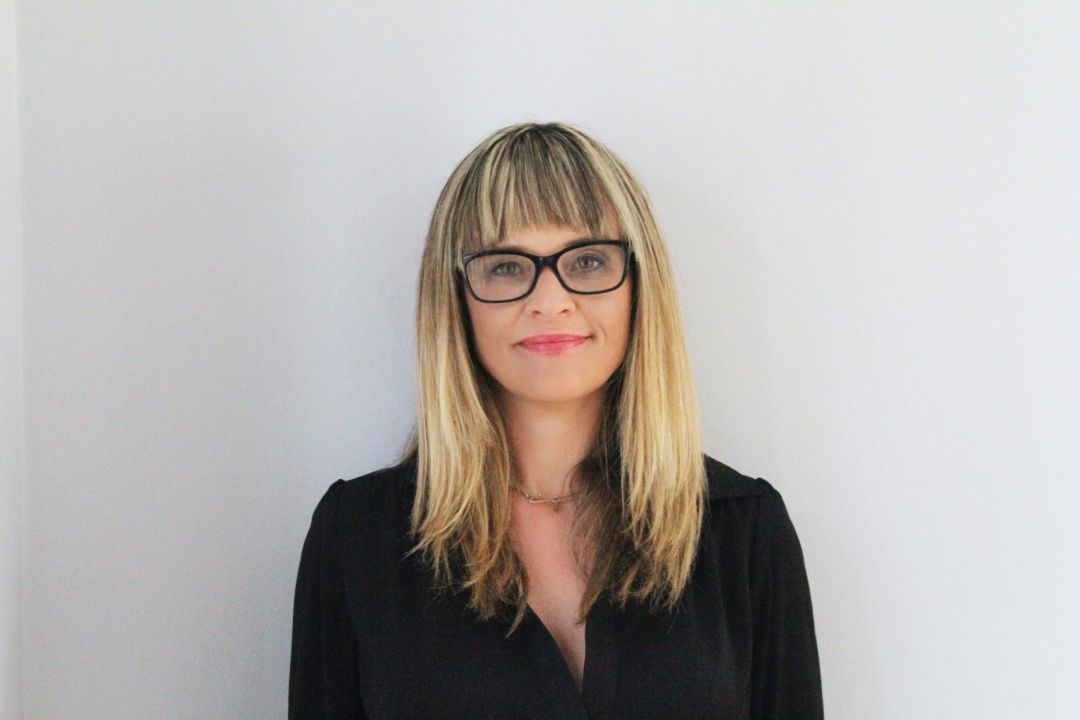
SKYE EMERSON, screenwriter, RedSkye Stories
How have the Sundance Institute and Sundance Film Festival impacted you personally and professionally?
SE: Growing up in Utah, Sundance was always part of the cultural landscape, a creative pulse that made storytelling feel possible. Before I ever called myself a filmmaker, I remember watching the festival transform our community every January—the sense that important stories were being told right here—and thinking, someday, I want to be telling those stories too.
Being selected for the Sundance Screenwriters Intensive in 2018 made that dream tangible. It was a turning point, not only because of the mentorship and feedback, but because it connected me with a creative community that continues to inspire me and shape my work. The Intensive helped me refine my craft and, more importantly, find and further shape my voice as a writer.
That foundation led to receiving the Alfred P. Sloan Fellowship at the 2019 festival for my screenplay about Sally Ride. The fellowship validated my passion for telling stories that bridge hope and humanity, but Sundance gave me something deeper: a sense of belonging in a community that values curiosity, craft, and authentic storytelling. It’s rare to find that kind of sustained support as a writer, and I’m deeply grateful for what it has meant to my career and creative growth.
Do you have any fond or funny memories from Sundance over the years?
SE: One of my most meaningful memories happened the night I was to receive my Sloan Fellowship award. I was sitting outside the event, nerves in full swing, when a kind stranger invited me to join her by the fire and tell her about my film. That stranger turned out to be Emmy-nominated composer Heather McIntosh. She helped me relax, laugh, and truly take in the moment, a small gesture that completely changed how I experienced that night.
Years later, we still cheer each other on from afar and have crossed paths in Los Angeles a few times. It’s one of those quintessential Sundance moments: the kind where a genuine connection sparks out of nowhere and ends up lasting far beyond the festival. I look forward to the day when we can finally collaborate on a project together.

Image: courtesy Kenny Riches
KENNY RICHES, filmmaker and writer/director, and co-founder of the Davey Foundation
What was it like having your film, The Strongest Man, debut at the 2015 festival?
KR: The entire experience is a whirlwind. You’re both excited and nervous to share your film at the festival, but you’re also having to wake up super early to do press interviews and industry stuff, and then go party all night, and then wake up early again, and so on. You’re worn down, trying not to get the Sundance flu, tired as hell, voicebox gone, and loving every single minute of it. As far as the screening goes, it’s an amazing experience sitting and listening to an engaged audience, and, because I was raised in Utah, all of my friends and family could attend, which is a very, very special thing.
Which Sundance films have made an impact on you over the years?
KR: Oh boy, there are so many great ones. Jared Hess’ Napoleon Dynamite, of course, was life-changing levels of hilarious. Sean Baker’s Tangerine was a film that was in the Next Section with our film, and to see a film shot on an iPhone succeed on so many levels was amazing. Seeing a solemn, beautiful film, like David Lowery’s A Ghost Story, with a captivated audience made me feel hopeful for the future of cinema. Seeing films by friends and former grantees of the Davey Foundation is always inspiring since we’ve supported Sundance short films. Laura Moss’ Birth/Rebirth comes to mind. I’m a big fan of that movie.
Do you have any memories of Robert Redford or thoughts about his impact and influence on cinema?
KR: There’s no arguing that Redford was one of the most impactful advocates of indie film to ever live. He had a way of fostering talent through the festival and Sundance Labs that changed the creative lives of everyone who participated. He’s a legend.